Five actions to future-proof remote working
Business and IT leaders looking to embed remote working and the digital workplace into business strategy face a number of technology and human challenges. Our conversations with leaders who are tackling these challenges revealed five key actions for effective change:

Shine a light on shadow IT
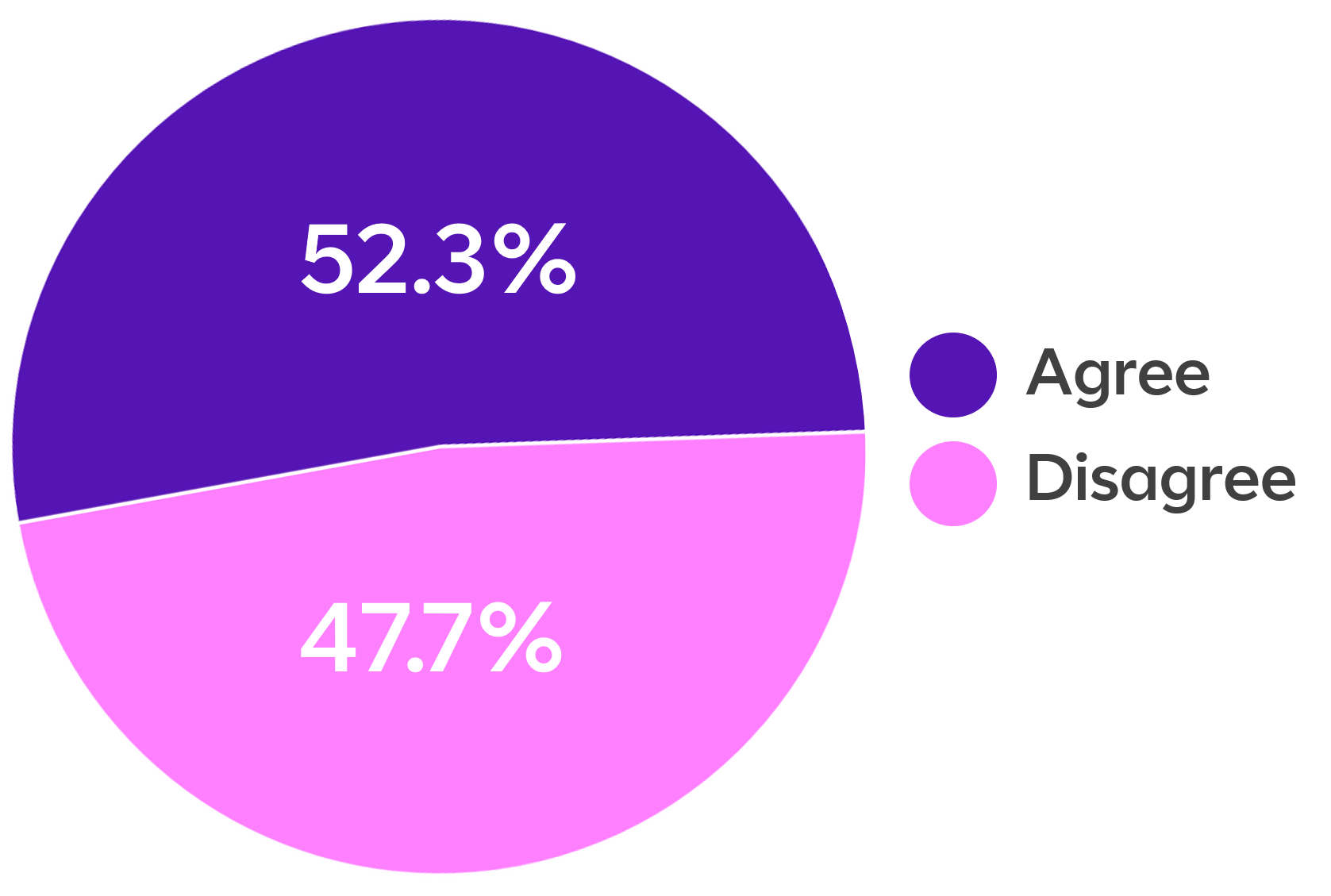
Shadow IT brings security risks. Security policies and practices become even more important at a time when remote workers may be tempted to start using unofficial channels of communication and tools. Almost half of the business leaders we spoke to said Shadow IT was an issue for them – and we suspect the number would be higher if leaders had a full picture of the use of Shadow IT in their business.
Ananthakrishnan Jayaraman at Informatica says: “We wanted to avoid WhatsApp and having very useful metadata stuck in a tool that IT doesn’t manage and where other people don’t have access to that particular piece of information. So, just to prevent a lot of information siloing, we want people to use [enterprise] tools so that they can both share information much more effectively and be able to trace things back."
“We have looked to standardise and use tools which will help us make collaboration easier. We’ve settled on Microsoft Teams as a key tool because it offers video meetings, as well as one-on-one chats. And it offers documentation and collaboration features, which are incredibly useful.”
We asked business leaders whether they agreed or disagreed that Shadow IT is an issue in their sector.
44 responses
Source: BT/Techpros survey

Action Points
- Communicate to employees why it’s a problem for them to use their own solutions – leaving the company open to security breaches and not being able to share information more widely.
- Ask employees for recommendations of tools that they would like to see in enterprise systems.
Share this page