The race to secure flexible working
Our conversations with business leaders about cyber security and new post-pandemic working patterns highlighted three key challenges.
Challenge 2: Keeping up with the changing threat landscape
The impact of a security breach ranges from data loss, financial loss, fines from regulators and reputation loss. Compliance is a key issue. In some cases, chief information security officers (CISO) and the C-suite senior management are personally responsible for security breaches. Businesses face a challenge identifying and addressing ongoing threats in a cloud-based environment. Identifying security threats and mitigating threats needs to be an ongoing process, not a one-off exercise.
“User authentication is key,” says Karl Mozurkewich - Principal Architect at OpenText, which provides information management services and technology. “It’s a pillar of being able to identify who somebody is and what they’re allowed to do [in an organisation’s IT systems].”
Security is a priority for any cloud migration project. After that has been dealt with, organisations can accelerate their move to the cloud by limiting customisation of their cloud software, Karl Mozurkewich says. It can help them finish cloud migration much quicker.
“What happened in the past year with Covid, and everybody shifting to remote work, was that a lot of organisations got caught flat footed,” he says. “So instead of over engineering large migration projects, they identified the 80% that really needed to get migrated or functionality.
Of course, no cloud project or decentralised corporate perimeter/network can be 100% secure. No matter how robust an organisation’s IT security technologies and security policies are, they’ll be of limited use if employees and suppliers ignore security guidelines and do things that could allow hackers into a company’s network.
“Companies need to think about how much control they want over devices their employees use, workflows and data in the cloud, and how this impacts user experience and productivity,” says Anmol Misra, researcher, and Director of Infrastructure Security at Autodesk, which makes software products and services for the architecture, engineering, construction, manufacturing, media, education, and entertainment industries. Anmol Misra, speaking in a personal capacity and not on behalf of Autodesk, added: “Companies must get used to having less control over devices and security. You need to rely on individuals, behavior, and culture in addition to automation if you want to be ahead of the curve. End-users play a critical role in the success of any security program.”
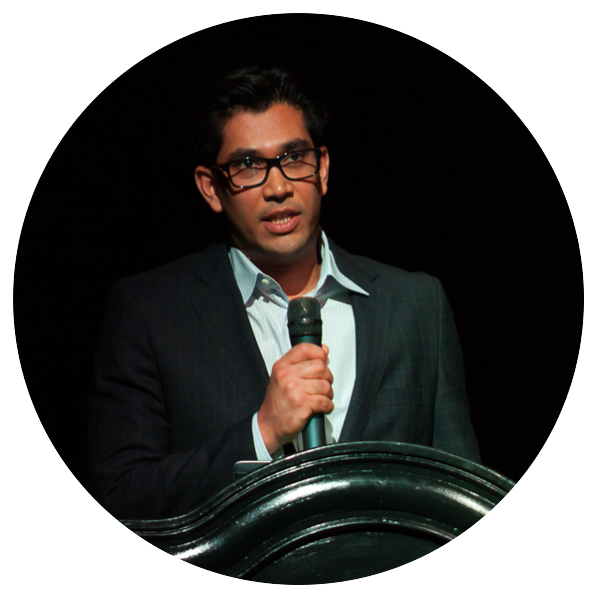
Anmol Misra,
Director of Infrastructure Security
| Autodesk
Companies need to think about how much control they want over devices their employees use, workflows and data in the cloud, and how this impacts user experience and productivity.
Share this page